5 Ways Virtual Tours Transform Visitor Engagement
Going digital isn't just about preservation—it's about connection. Discover how interactive virtual tours are creating new ways for audiences to experience, understand, and fall in love with heritage sites from anywhere in the world.
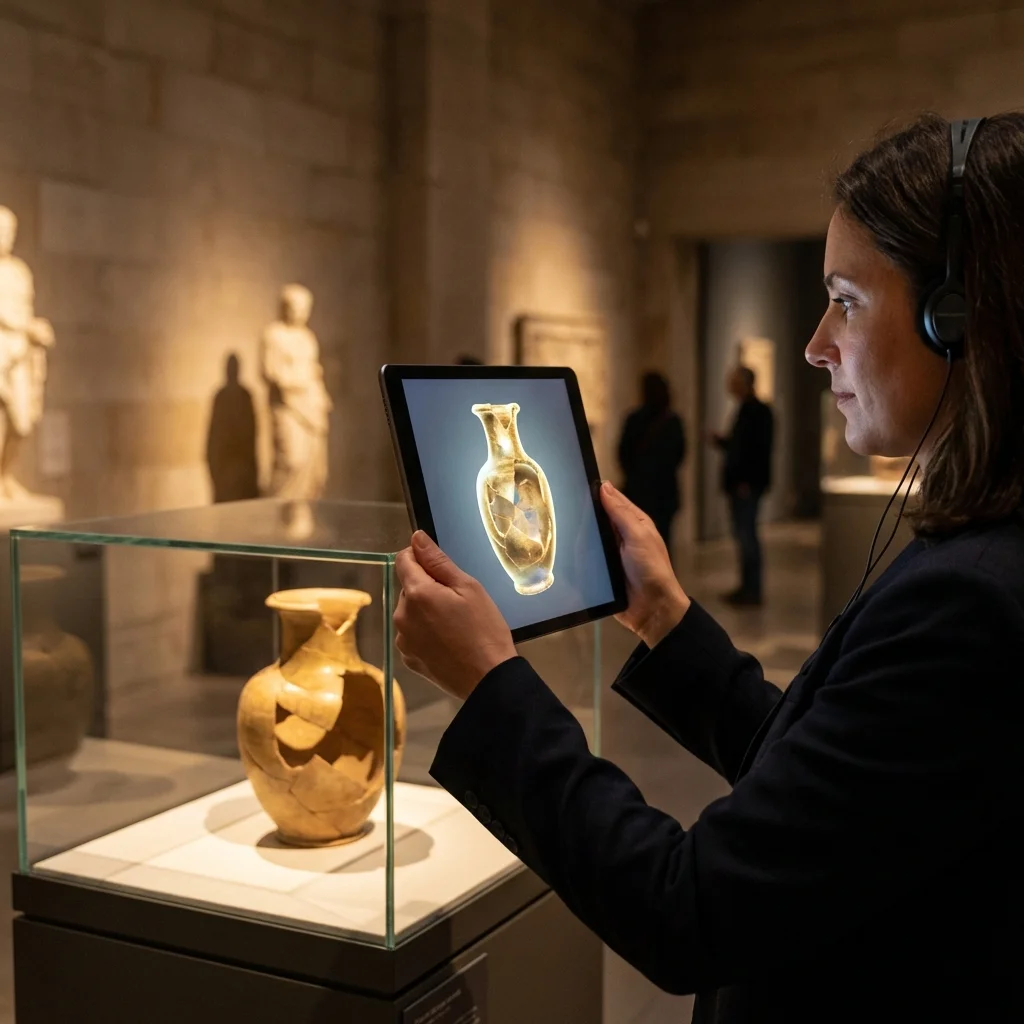
For decades, the "museum experience" meant one thing: being there. It meant walking through physical doors, standing in front of glass cases, and reading placards on the wall. But as digital technology evolves, we're seeing a fundamental shift in how people connect with culture.
Virtual tours are no longer just a "nice-to-have" creating during the pandemic era. They have evolved into powerful engagement tools that offer deeper, more interactive, and more accessible ways to experience heritage. Here are five ways modern virtual tours are transforming visitor engagement.
1. Breaking Down Geographic and Physical Barriers
The most obvious benefit of a virtual tour is accessibility, but its impact goes deeper than simply "being online." For international audiences, researchers, or those with physical disabilities, a high-quality virtual tour isn't just a preview—it is the visit.
By providing a web-based, immersive replica of a space, you open your doors to the entire world. A student in Tokyo can explore a Victorian windmill in London; a researcher in New York can inspect the architecture of a rural English church. This global reach transforms a local heritage site into an international cultural asset.
2. "Digital Touch": Interacting with the Untouchable
In a physical museum, the golden rule is "do not touch." Preservation requires us to keep visitors at a safe distance from fragile artifacts. Digital spaces flip this rule on its head.
With high-resolution 3D capture (like Gaussian splatting or photogrammetry), we can allow visitors to virtually "pick up," rotate, and inspect delicate objects from every angle.
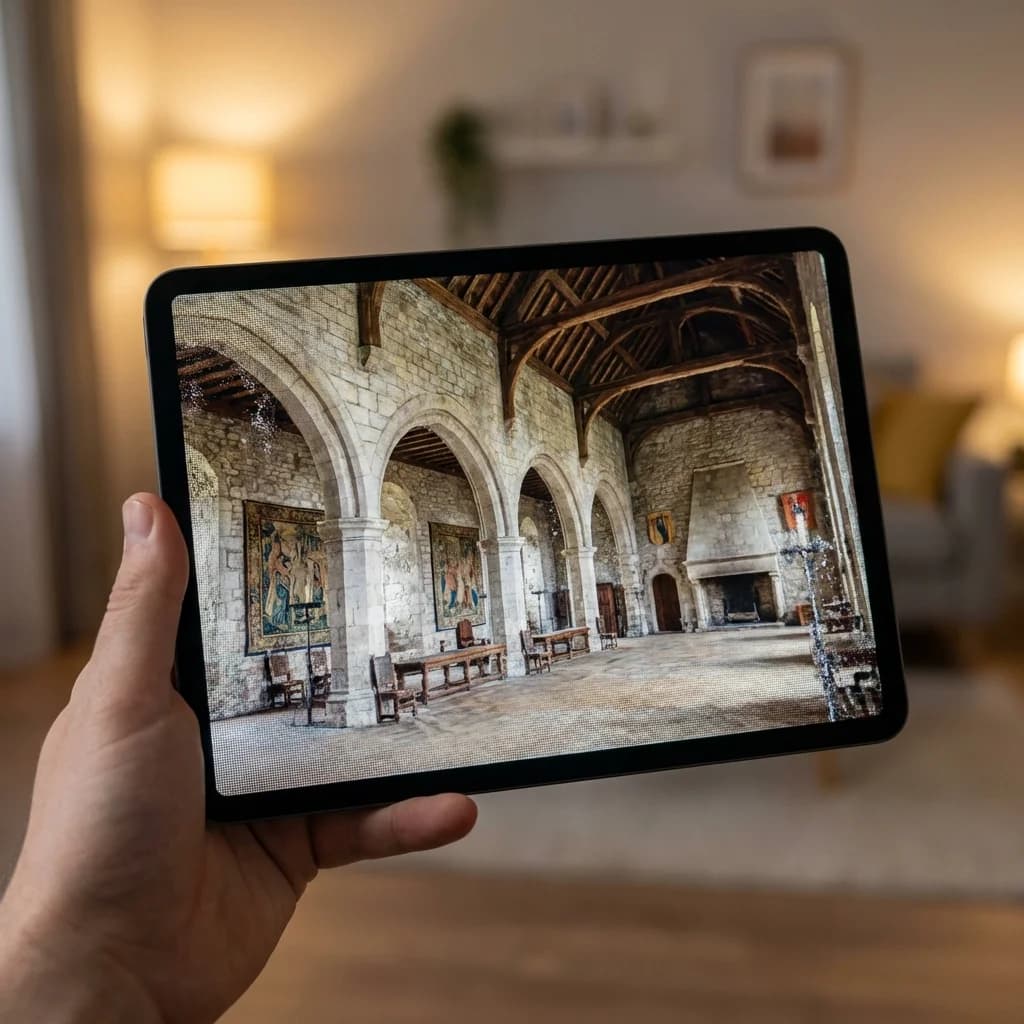
This "digital touch" creates a sense of intimacy and connection that physical visits often can't match. Seeing the tool marks on a 500-year-old carving or the texture of ancient pottery up close creates a personal connection to the history.
3. Contextual Storytelling Through Hotspots
A physical placard has limited space. You can write 150 words, maybe include one small diagram. In a virtual tour, space is infinite.
Interactive hotspots allow us to layer rich media directly into the environment. When a visitor clicks on a painting, we can show them:
- X-ray views showing sketches underneath
- Audio commentary from the curator
- Video of the restoration process
- High-resolution macro photography of details
This allows visitors to dive as deep as they want. Skimmers can enjoy the visuals, while deep-divers can spend hours exploring every layer of content.
4. User Agency: The "Choose Your Own Adventure" Effect
Video walk-throughs differ from virtual tours in one critical way: agency. In a video, the director chooses what you see. In a virtual tour, you choose.
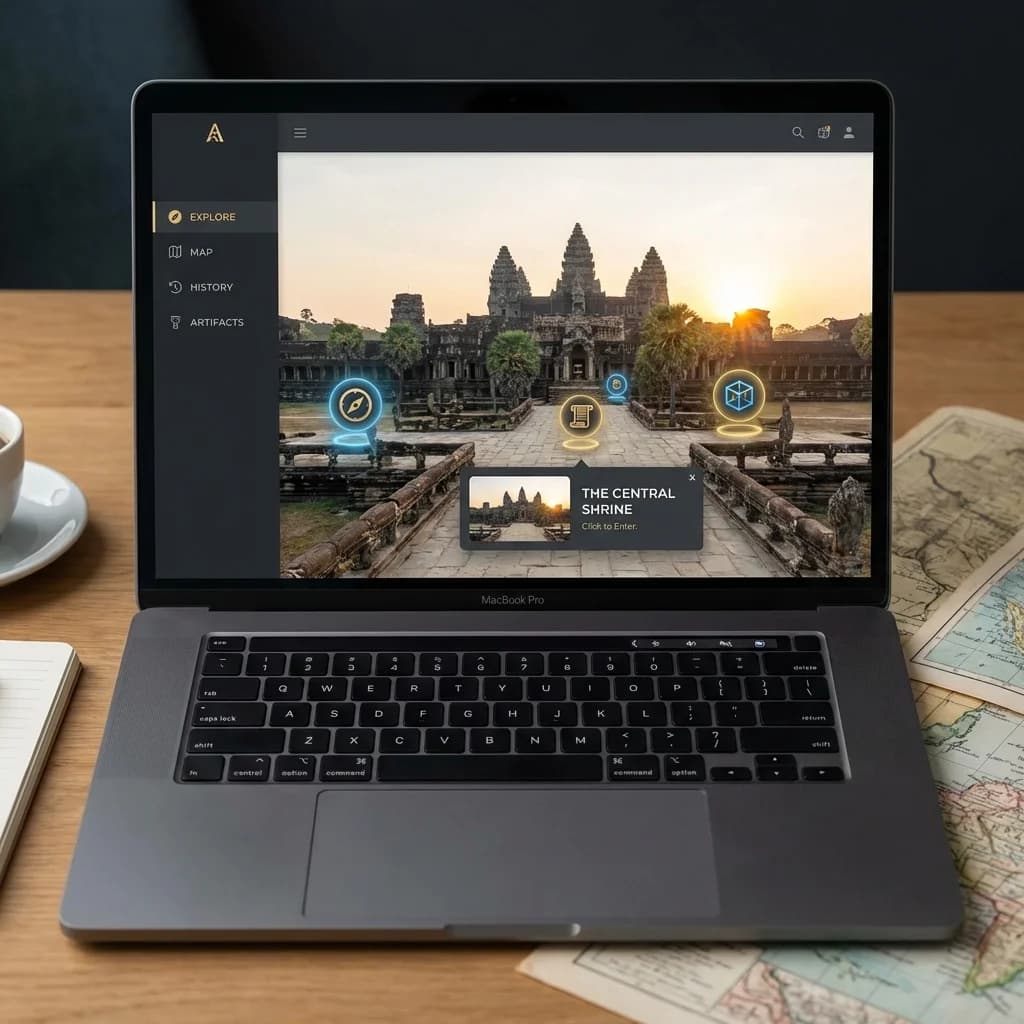
This active participation keeps brains engaged. When users have to click, look around, and decide where to go next, they retain more information. The experience transitions from passive consumption ("watching") to active exploration ("doing"). This increased agency leads to longer dwell times and better information retention.
5. Data-Driven Insights
Finally, digital engagement provides something physical visits rarely can: precise data. With a web-based tour, we can anonymously track exactly how visitors interact with the space.
- Which path do most people take?
- Which artifacts get the most clicks?
- Where do people lose interest and drop off?
- Which stories resonate most?
This data is gold for curators and site managers. It can inform not just digital strategy, but physical exhibition design as well. If 80% of online visitors click on a specific obscure artifact, maybe it deserves a more prominent place in the physical gallery.
Conclusion
A virtual tour isn't a replacement for a physical visit—it's a powerful companion. It extends the life of your exhibition, reaches audiences who can't travel, and offers layers of interaction that physical reality simply doesn't permit.
For heritage sites looking to engage modern audiences, the question isn't whether to go digital, but how to use these tools to tell their stories more effectively than ever before.